
Pollinator Paradise Leafcutting
bees & alfalfa The
Solitary Bee Web
Binderboard™
New Mexico Native Bee Pollinator Project
Nampa
Farmer's Market About Dr. Strickler
Bee Nests and Accessories
Links to Food, Gardening and Nutrition Information
Recipes
Pollination Moments
Summer Squash Research Summer Squash Diary Blog
Western SARE Project Number, FW06-042 |
||||||||||||||||||||||||||||||||||||||||||||||||||||||||||||||||||||||||||||||||||||||||||||||||||||||||||||||||||||||||||||||||||||||||||||||||||||||||||||||||||||||||||||||||||||||||||||||||||||||||||||||||||||||||||||||||||||||||||||||||||||||||||||||||||||||||||||||||||||||||||||||||||||||||||||||||||||||||||||||||||||||||||||||||||||||||||||||||||||||||||||||||||||||||||||||||||||||||||||||||||||||||||||||||||||||||||||||||||||||||||||||||||||||||||||||||||||||||||||||||||||||||||||||||||||||||||||||||||||||||||||||||||||||||||||||||||||||||||||||||||||||||||||||||||||||||||||||||||||||||||||||||||||||||||||||||||||||
Harvest Frequency, Yield, and Economics of Summer Squash |
||||||||||||||||||||||||||||||||||||||||||||||||||||||||||||||||||||||||||||||||||||||||||||||||||||||||||||||||||||||||||||||||||||||||||||||||||||||||||||||||||||||||||||||||||||||||||||||||||||||||||||||||||||||||||||||||||||||||||||||||||||||||||||||||||||||||||||||||||||||||||||||||||||||||||||||||||||||||||||||||||||||||||||||||||||||||||||||||||||||||||||||||||||||||||||||||||||||||||||||||||||||||||||||||||||||||||||||||||||||||||||||||||||||||||||||||||||||||||||||||||||||||||||||||||||||||||||||||||||||||||||||||||||||||||||||||||||||||||||||||||||||||||||||||||||||||||||||||||||||||||||||||||||||||||||||||||||||
Enterprise BudgetInformation from the producer survey helped me formulate an enterprise budget for market squash production that should be useful to other market gardeners. I modified an enterprise budget for summer squash from the University of Kentucky Cooperative Extension Service, using 2007 costs in an initial example for the budget.I particularly like the UK
vegetable enterprise budgets because they separate production and
marketing costs first, then fixed costs such as insurance and taxes on
the land (but not mortgage costs, although they can be added if
relevant), and finally unpaid family labor. Market growers often
have other income sources paying the mortgage, and often their labor is
uncompensated. For some market gardeners, covering the variable
production and marketing costs is enough. Others may want to be
sure their profit offsets some of their taxes and insurance costs, but
not necessarily their labor. Others hope to pay their family wages and still have enough profit to
increase their operations.
Because market gardeners often grow a variety of crops, it can be
confusing to separate the contribution of one crop to revenue and
costs. To deal with this problem, I modified the UK enterprise budget
so that most costs are multiplied by the percentage of total garden that
is planted in squash, or by the percentage of the total income that can
be attributed to squash. Market gardeners and small farmers may want to
keep track of these percentages. For example, my
squash patch was estimated to be 10% of my entire garden.
Therefore, the cost of compost for my squash patch was 10% of the total
cost of compost, and the cost of new sprinklers was multiplied by 10%.
Similarly, the cost of travel to the market, and market fees were
multiplied by 0.16, the proportion of squash sales in my total sales. I left a number of categories on the budget that were not currently relevant to my operations, though they may be relevant to other market growers. These include hired labor, and pollination costs. Finally, at the bottom I added a line for the amount that I saved by eating what I grow instead of purchasing produce at a supermarket. This is, of course, the original inspiration for having a market garden! Note that this budget could be modified for other crops that are grown by a market gardener to explore and compare their profitability. Here is what my 2007 budget looks like in the MSExcel worksheet:
This enterprise budget tells me that in 2007 my sales of squash paid for the variable costs of growing the squash, but not the fixed costs or anything extra for my labor. One could say that paid $408 for the privilege of growing and selling squash. 2007 was a particularly bad year for my market operation because a family emergency in the spring prevented me from getting my summer garden planted until the middle of July, so I missed much of the market. Also, the average price per pound was considerably lower than I intended, probably because some squash did not sell (squash that I used, or donated to the Parma Senior Center and Ronald McDonald House). However, can use the enterprise budget to consider what combinations of yield, price of squash, and costs of growing squash will result in a profit, to improve my squash marketing in the future.
Download the excel file and put in your
data to see if your market garden nets a profit. |
||||||||||||||||||||||||||||||||||||||||||||||||||||||||||||||||||||||||||||||||||||||||||||||||||||||||||||||||||||||||||||||||||||||||||||||||||||||||||||||||||||||||||||||||||||||||||||||||||||||||||||||||||||||||||||||||||||||||||||||||||||||||||||||||||||||||||||||||||||||||||||||||||||||||||||||||||||||||||||||||||||||||||||||||||||||||||||||||||||||||||||||||||||||||||||||||||||||||||||||||||||||||||||||||||||||||||||||||||||||||||||||||||||||||||||||||||||||||||||||||||||||||||||||||||||||||||||||||||||||||||||||||||||||||||||||||||||||||||||||||||||||||||||||||||||||||||||||||||||||||||||||||||||||||||||||||||||||
|
||||||||||||||||||||||||||||||||||||||||||||||||||||||||||||||||||||||||||||||||||||||||||||||||||||||||||||||||||||||||||||||||||||||||||||||||||||||||||||||||||||||||||||||||||||||||||||||||||||||||||||||||||||||||||||||||||||||||||||||||||||||||||||||||||||||||||||||||||||||||||||||||||||||||||||||||||||||||||||||||||||||||||||||||||||||||||||||||||||||||||||||||||||||||||||||||||||||||||||||||||||||||||||||||||||||||||||||||||||||||||||||||||||||||||||||||||||||||||||||||||||||||||||||||||||||||||||||||||||||||||||||||||||||||||||||||||||||||||||||||||||||||||||||||||||||||||||||||||||||||||||||||||||||||||||||||||||||
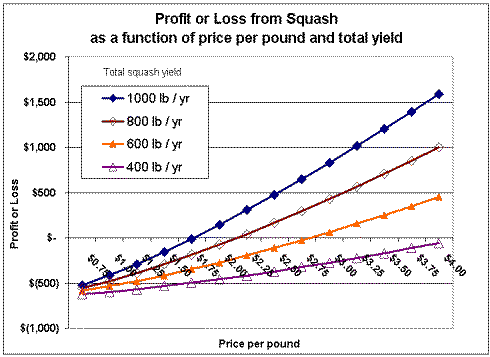 This graph shows that I can't make a profit from 400 lbs of squash even if it sells for $4.00 per pound, a price that would be too expensive for most customers at the Nampa Farmers' Market. If I can grow and sell 600 lbs of squash, I would profit if it sells for more than $2.75 per pound. This might be possible for mini squash, because it sold for at least that price per pound in 2006 (see squash sales) If I can increase my sales to 800 or 1,000 lbs of squash per year, I break even at more affordable prices of about $2.15 and $1.75 respectively. The higher my squash yield, the faster the profits go up if the price goes up, assuming I am able to find customers for the extra squash. I estimate that I could get a yield of 800 lbs of squash by planting 80 hills of squash (about double the size of my 2006 study) and harvesting about 12 weeks of squash. I would need to increase my customer base to sell the increased yield, a reasonable expectation in our area where interest in local foods is increasing. |
||||||||||||||||||||||||||||||||||||||||||||||||||||||||||||||||||||||||||||||||||||||||||||||||||||||||||||||||||||||||||||||||||||||||||||||||||||||||||||||||||||||||||||||||||||||||||||||||||||||||||||||||||||||||||||||||||||||||||||||||||||||||||||||||||||||||||||||||||||||||||||||||||||||||||||||||||||||||||||||||||||||||||||||||||||||||||||||||||||||||||||||||||||||||||||||||||||||||||||||||||||||||||||||||||||||||||||||||||||||||||||||||||||||||||||||||||||||||||||||||||||||||||||||||||||||||||||||||||||||||||||||||||||||||||||||||||||||||||||||||||||||||||||||||||||||||||||||||||||||||||||||||||||||||||||||||||||||
The bottom line is that I should be able to increase my price and my yield enough to not only pay my expenses, but also make some profit with mini squash.
Are you a market gardener or small farmer who sells summer squash? Is this information is useful to you? Are you a customer who buys summer squash at Farmers' Market? Does this information help you understand your market's squash prices?
|
||||||||||||||||||||||||||||||||||||||||||||||||||||||||||||||||||||||||||||||||||||||||||||||||||||||||||||||||||||||||||||||||||||||||||||||||||||||||||||||||||||||||||||||||||||||||||||||||||||||||||||||||||||||||||||||||||||||||||||||||||||||||||||||||||||||||||||||||||||||||||||||||||||||||||||||||||||||||||||||||||||||||||||||||||||||||||||||||||||||||||||||||||||||||||||||||||||||||||||||||||||||||||||||||||||||||||||||||||||||||||||||||||||||||||||||||||||||||||||||||||||||||||||||||||||||||||||||||||||||||||||||||||||||||||||||||||||||||||||||||||||||||||||||||||||||||||||||||||||||||||||||||||||||||||||||||||||||
Copyright © December
21,
2007, Karen Strickler. All rights reserved.
updated February 6, 2008
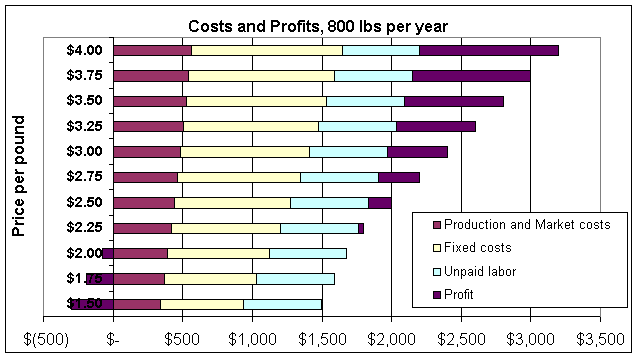 Surprisingly,
the fixed costs increase as the price per pound increases. This is
because squash sales make up a larger proportion of the revenue as
squash price increases. Therefore, squash sales compensate for a
larger proportion of the fixed costs with increasing price per pound.
Surprisingly,
the fixed costs increase as the price per pound increases. This is
because squash sales make up a larger proportion of the revenue as
squash price increases. Therefore, squash sales compensate for a
larger proportion of the fixed costs with increasing price per pound.